

Home selling involves complex processes, one of which is determining how long a seller can remain in their home after closing in Gainesville, FL. Whether you plan to relocate subsequently or need time to attend to other personal matters, clarity on the nuances of post-closing occupancy is essential. This guide outlines the specifics of what sellers typically need after closing and the benefits of selling your house. Learn about standard post-closing stipulations, costs, and how to transition into your next chapter smoothly.
Key Highlights
- Understand the essentials of post-closing occupancy to navigate Gainesville home sales effectively.
- Negotiations on possession dates depend on closing agreements and unforeseen circumstances.
- Consider leaseback agreements to extend your stay post-closing with defined terms.
- Legal implications can arise if sellers delay vacating past agreed-upon possession dates.
- Transparent communication and thorough preparation are essential for a smooth post-closing transition.
Understanding the Possession Date in Home Sales
In home sales, a buyer’s ability to take ownership of a property is contingent on a pivotal component, known as the possession date. This date correlates to the closing date, which signifies the end of the sale process. In Gainesville, FL, home sellers often negotiate extensions to their closing date beyond this deadline. With the knowledge of what possession dates hinge upon, sellers can manage post-closing times more effectively. In this case, we will address the primary factors that affect the possession date and provide tips to help you negotiate a more extended post-closing stay, facilitating a seamless transition and closing your agreements.
Key Factors Affecting the Possession Date

The possession date is the date when the buyer officially takes control of the property. This date is typically very close to the closing date, though several factors can delay possession. The most significant of these is the purchase and sale agreement, which outlines the timelines both parties agree to for closing and possession. This document is crucial to understanding when the property must be vacated, so all buyers and sellers should take time to examine it closely.
Many factors can affect both closing and possession, and they are often not immediately apparent. In Gainesville, FL, title problems and appraisal issues are common; however, changes in market conditions and seasons can also impact timing. Real estate can get very busy, and during these peak seasons, it is common for sellers to need more time to coordinate their moves. Buyers also often want possession sooner, and this is usually for reasons relating to jobs and schools.
A seller’s situation may also influence the possession date, particularly if they require more time to acquire new housing or deal with moving arrangements. To mitigate the risks of complications, these factors should be identified early, and the need addressed in writing, including contingencies for possible delays in the contracts, to reasonable expectations and outlining what to do if timelines need to be modified. With proper communication and possession planning, both parties are far more likely to ensure a seamless transition.
Negotiating Terms for Longer Stay After Closing
Timing is always one of the most important aspects of a real estate transaction. Sellers should bring up the need for additional time after closing in the early negotiation phases. Constructive communication around time needs post-closing, such as time for purchasing a home, coordinating a move, or closing, helps set parameters to avoid conflicts. Buyers often have their own timelines to manage, so knowing and addressing everyone’s time restrictions allows for an optimal transaction.
In most cases, a leaseback agreement where the sellers remain in the home and become tenants for a short time is a viable option. To reduce the chances of disputes, the leaseback agreement should clearly state the duration of the lease, the monthly rent, and who is responsible for paying the utilities and maintaining the home. These types of agreements protect homebuyers and provide structure for sellers.
Sellers can ease the negotiation process by presenting a plan to vacate the home and explaining the real, legitimate reasons why additional time is necessary, such as pending repairs or delays in purchasing the next house. Financial incentives, such as daily rent or credits, can also help adjust the buyers’ timelines. Smooth post-closing transitions and minimal tension in the process are the most critical factors in successful negotiations, and they depend primarily on transparent communication and mutual respect.
Exploring Seller Stay Options Post-Closing
Once a home sale has closed, sellers in Gainesville, FL, may require additional time before leaving the property. Knowing the seller’s stay possibilities is essential for a smooth transition. One of the most critical tools for sellers is the occupancy agreement, which gives them the right to stay in the home for a time after closing. This type of agreement can vary significantly in terms of length, and each party must understand these differences. By understanding the terms and exploring solutions such as leaseback agreements, sellers can avoid issues with their move-out date and ensure a smooth transition to the buyer.
Role of an Occupancy Agreement in Florida
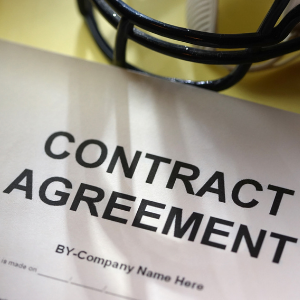
An occupancy agreement allows a seller to remain in the home after closing for a specified period under legally defined terms. In Florida, the seller’s duration of stay, responsibilities regarding the upkeep of the house, and the buyback daily occupancy payments or rent to the buyer are all described in the agreement. This helps sellers who need additional time to relocate, while buyers are reassured that possession will transfer on the specified date.
Because sellers need to hold in place until a subsequent housing arrangement is solidified, they often shed occupancy agreements. In Gainesville, FL, these agreements routinely provide for a post-closing stay of seven days, although that period is negotiable. Staying beyond the pre-arranged time period is both economically and potentially legally punitive, so it is crucial that all parties clearly communicate the limits of the arrangement.
From the seller’s side, they will never have to rush to vacate on closing day. Buyers receive the peace of mind of knowing their possession will not be lost. As long as the occupancy agreements are structured correctly to include stated and accepted timelines, fees, and conditions, they provide a great means of eliminating closing-day possession disputes for all parties.
How Long Can You Stay After Closing?
A seller’s ability to remain in a home after closing depends on what is agreed upon in the sales contract. In Gainesville, FL, sellers can stay in the house for up to seven days after closing if a written occupancy or leaseback agreement is in place. This allows sellers time post-closing to complete their move. Buyers can also plan for possession.
Sellers must keep the home in good condition and continue to fulfill all the terms of the contract. The occupancy agreement governs the period following closing. If sellers do not vacate the home on time, or if there is any neglect or damage to the house, there can be serious legal repercussions or financial penalties.
Sellers often appreciate a short extension request accompanied by a valid reason, such as waiting for the new home to be ready for occupancy. Sellers should understand that the time is a grace period and should be used to complete their move. Buyers should inspect the home for the condition as outlined in the lease. Sellers should complete their move and leave the house in the condition outlined in the agreement.
Ultimately, seamless post-closing transitions depend on effective communication, realistic deadlines, and uncompromising contract enforcement. When expectations are set and honored, sellers in Gainesville can make confident transitions without post-closing disputes.
The Impact of a Holdover Seller Situation
In Gainesville, FL, the intricacies surrounding a holdover seller case can be pretty complicated for all the parties involved in the real estate transaction. A case like this occurs when a seller stays in the house after the cut-off closing date. A case like this has severe legal implications for both the buyer and the seller. They are both working on an incomplete real estate contract. Navigating the complexities of a seller holdover case is crucial to ensure no breaches of contract and no future disputes regarding the relationship. This section will discuss the legal aspects and potential resolutions of disputes regarding sellers failing to vacate on time.
Legal Implications for Sellers and Buyers
Unmanaged holdover seller situations in Gainesville, FL, can result in significant legal issues for both parties involved. Sellers remaining in the property after the possession or closing date is a breach of contract scenario, especially in the absence of an occupancy or leaseback agreement. Such agreements are intended to serve as a framework for capturing time, responsibilities, and financial obligations; therefore, sellers must understand and comply with them.
From the seller’s standpoint, overstaying can lead to financial penalties, legal claims, or even court orders demanding them to leave the property. Probably more than the financial risk, the seller dispute risk is reputation-damaging, which leads to difficulties in real estate transactions. Clear communication in advance is crucial to avoid disputes.
On the buyer’s side, late-closing sellers create delays in the move, remodeling of the house, and additional costs for unplanned accommodations. Sometimes, buyers need to take legal possession of the house, which is time- and cost-inefficient. In the case that an occupancy agreement exists, the sellers can be considered tenants, which complicates the case because the Florida landlord-tenant laws come into play.
To mitigate operational risk, both parties to the transaction should rely on the contract’s terms, communicate regularly and clearly, and seek legal advice when necessary. Managing expectations regarding the timelines for possession and addressing delays prevents disputes, protects the rights of both parties, and facilitates a smooth closing and transition.
Resolving Disputes Due to Delayed Vacate

Disagreements regarding a seller staying beyond the agreed move-out date can be a source of anxiety for both parties in Gainesville, FL. Avoiding concerns is best achieved through effective communication and setting clear expectations early in the sales process, as this can be most effective in preventing issues. Sellers must indicate a need for more time after closing, and buyers must indicate their post-closing plans. This type of communication minimizes the risk of conflicts and misunderstandings.
Legally enforceable documents, such as leaseback and post-closing occupancy agreements, serve the dual purpose of being both preventive and responsive to conflicts. These agreements specify stay durations, rental and daily fee amounts, and upkeep responsibilities. Should disputes arise, both parties must refer to the agreement and assess compliance with the document to resolve the discrepancy. Then, they may proceed to mediation, which is often a cost-effective alternative to legal remedies.
For homeowners seeking to avoid post-closing complications, selling directly to Yellow Card Properties, a trusted local cash house buying company in Florida, can be a simpler alternative. Yellow Card Properties helps homeowners in Gainesville, FL, sell their homes fast for cash, eliminating buyer possession delays, leaseback negotiations, and the risk of holdover disputes. In situations where legal guidance becomes necessary, consulting a Florida real estate attorney can help protect both parties’ rights and encourage an efficient, out-of-court resolution. Contact Yellow Card Properties at (904) 539-4420 today!
Frequently Asked Questions
How long do sellers stay in their home after closing in Gainesville, FL?
Generally, sellers stay in their home for 7 days after closing to allow them to move to their new home under an occupancy agreement.
What is a leaseback agreement?
In a leaseback agreement, sellers can remain in the home as tenants after the house is sold. The contract spells out the terms of ownership of the home, the duration the sellers can stay, the rental amount, and other responsibilities to protect the interests of both sellers and home buyers.
What are the consequences of not moving out on time?
Failing to move out on time can result in a breach of contract, which can legally protect the buyers. Buyers can pursue monetary claims and even obtain a court order evicting the sellers, which is detrimental to both the economy and the sellers.
What steps can sellers take to avoid problems after closing?
Sellers are advised to plan and communicate with buyers and move out as the contract requires. Cleaning the home and making repairs before transferring ownership will avoid disputes.
What is the occupancy agreement?
An occupancy agreement defines the length of stay, the responsibilities pertaining to the upkeep of the property, and the amount of rent, if applicable. This creates certainty and avoids potential misunderstandings or conflicts between the seller and buyer after the sale is closed.
Helpful Gainesville, FL Blog Articles
- Selling Inherited Real Estate With Multiple Owners In Gainesville, FL
- Strategies To Prevent House Foreclosure In Gainesville, FL
- Sell Your Home By Owner In Gainesville, FL
- Can Your HOA Really Foreclose On Your Gainesville, FL Home?
- Does Selling Your House In Gainesville, FL Affect Your Medicare Coverage?
- Understanding Gainesville, Florida, Property Tax Rates
- Essential Guide To House Appraisals For Divorce Settlements In Gainesville, Florida
- How To Navigate Selling A House With Unpermitted Work In Gainesville, FL
- Fixing Up a House to Sell in Gainesville, FL
- Sell Home to Pay Off Debt in Gainesville, FL
- Should I Replace My Roof Before I Sell My House in Gainesville, FL?
- Do All Heirs Have to Agree to Sell Property in Gainesville, FL?
- How Long Can a Seller Stay in the House After Closing in Gainesville, FL
- Can I Sell My House in Gainesville, FL with a Pending Insurance Claim?